
Korea health
2026 Korea Health Guide: Pharmacies & Clinics Explained
This article was last updated on 2026-07-26. Fares, opening hours and prices change — confirm with the official operator before you travel.
Lost in Korea and feeling sick? This guide breaks down how to use Korean pharmacies (yakguk) and clinics (uiwon), essential phrases, and costs for travelers in 2026.

Photo: Basile Morin / CC BY-SA 4.0 via Wikimedia Commons
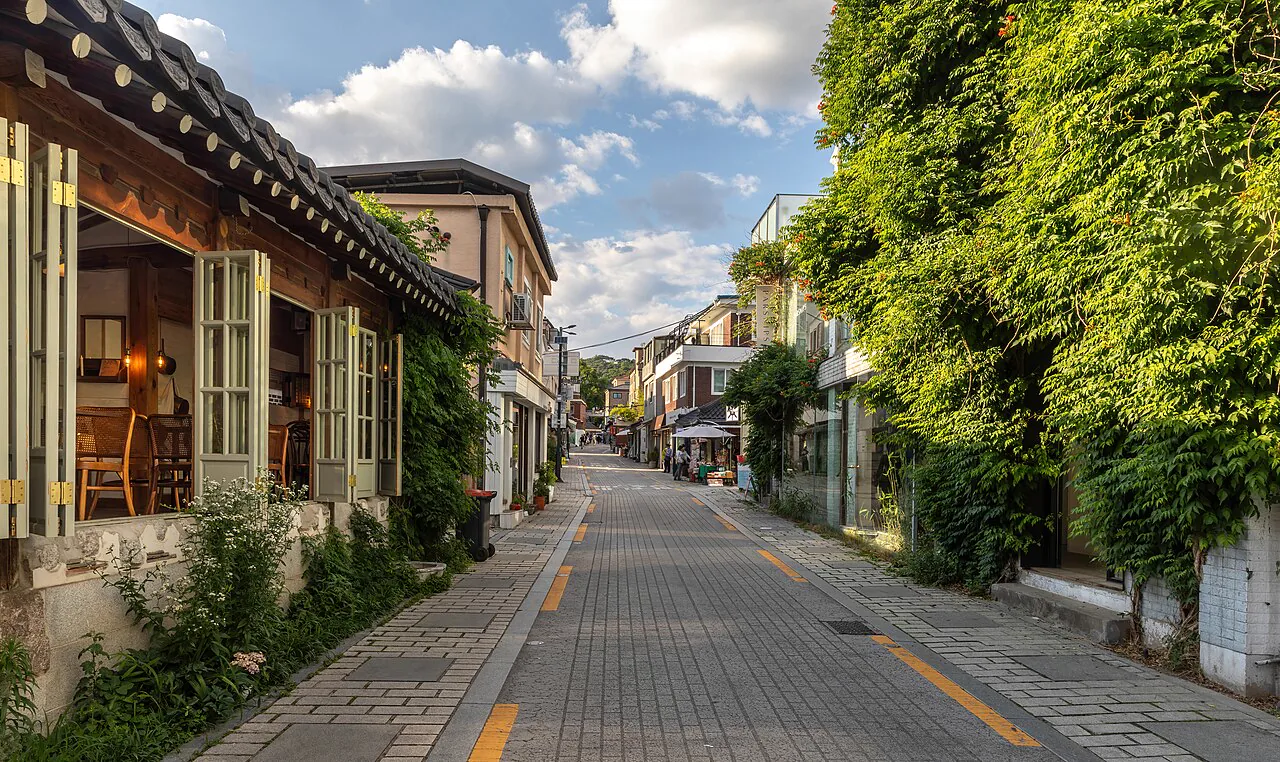
Photo: Basile Morin / CC BY-SA 4.0 via Wikimedia Commons
When Seoul Hits Different (and Not in a Good Way)
Okay, real talk: you planned this trip down to the last boba run, but what happens when you wake up with a fever that could rival a comeback stage's heat? Or that street food from yesterday decided to stage a rebellion in your stomach? Ngl, getting sick abroad is terrifying. But honestly? Korea's got you. It's not as scary as you think.
First things first, you're not going to the ER for a sore throat. Korea has a super accessible system. For most things – a bad cold, a weird rash, traveler's tummy – your first stop is a pharmacy (약국 - yakguk). They're literally everywhere. Like, find one within a 5-minute walk, no exaggeration. They look modern, clean, and usually have a doctor's symbol somewhere. They're usually open from around 9 AM to 7 PM on weekdays, and some have weekend hours. Some even stay open late, like till 10 PM, especially in busier areas. If you need something more serious, you'll head to a clinic (의원 - uiwon). These are smaller doctor's offices, also super common. Hospitals (병원 - byeongwon) are for emergencies or serious stuff.
Pharmacy Lingo & What to Expect
Walking into a Korean pharmacy when you're not feeling well is kinda like trying to find a good seat at a BTS concert without a presale code. Stressful. But here's the lowdown:
Most pharmacists speak *some* English, especially in touristy areas. They're used to foreigners. Don't expect fluent conversations, but pointing, nodding, and using simple phrases goes a long way. Have your phone ready to type things out or use a translation app. Seriously, Google Translate is your BFF here. For real.
Useful phrases to have ready:
- I have a sore throat. - 목이 아파요. (Mogi apayo.)
- I have a fever. - 열이 나요. (Yeori nayo.)
- My stomach hurts. - 배가 아파요. (Baega apayo.)
- I have a cough. - 기침해요. (Gichimhaeyo.)
- I need medicine for... [cold, allergy, pain, upset stomach] - ...약이 필요해요. (...yagi piryohaeyo.)
- Is this for foreigners? - 외국인용이에요? (Oeguginyongieyo?) - *This is just to see if they have English instructions, not because they don't serve foreigners.*
They'll likely ask you a few questions. Again, translation app is key. They might show you a few options. Prices are generally super reasonable. For basic cold meds or pain relievers, expect to pay anywhere from ₩3,000 to ₩10,000.
Pro Tip: Don't be shy about asking for over-the-counter (OTC) meds you'd get at home. They might have different brand names, but the active ingredients are often the same. If you have a specific ingredient you need (like ibuprofen or acetaminophen), show them the word on your phone.
When to Hit Up a Clinic
If your symptoms are more than just a sniffle or a dodgy stomach – like a high fever that won't break, severe pain, or something that looks serious – it's time for a clinic (의원 - uiwon). These are like walk-in clinics back home. You don't usually need an appointment, especially for the smaller ones.
Finding a clinic: They're often near subway stations or in commercial areas. Look for the symbol of a red cross or a stethoscope. They usually open around 9 AM and close by 6 PM or 7 PM, with a lunch break typically from 12 PM to 2 PM. Again, some might have slightly different hours, so check signs or use Naver Maps/Kakao Maps (download these apps, btw).
The cost: A basic consultation at a clinic, including a short doctor's visit and maybe some basic meds or a prescription, can range from ₩15,000 to ₩30,000. Prescriptions are separate and usually cheap, maybe another ₩5,000-₩15,000 depending on what it is. They'll give you a script you take to a pharmacy.
What if it's serious? For emergencies (accidents, severe chest pain, unconsciousness), head straight to the nearest hospital (병원 - byeongwon) or call 119 (the emergency number, like 911).
Hidden Gems: Pharmacies with English Services
While most places are chill, if you're really worried about the language barrier, some larger chain pharmacies in super touristy areas like Myeongdong or near major universities might have staff who speak better English. It's not guaranteed, but worth a shot if you're struggling.
Honestly, the biggest hurdle is your own anxiety. Once you accept that you might need a translation app and some pointing, it becomes way less intimidating. And remember, the goal is to get better so you can get back to that concert or museum. You got this.
If all this planning feels overwhelming, building a custom itinerary with CocoTrip can help map out your days, including transit routes to essential services just in case. Peace of mind is priceless, right?
FAQ
Q. Do I need travel insurance?
A. YES. Always. Medical costs can add up, and insurance covers it. Keep all your receipts!
Q. Can I buy medication like Advil or Tylenol easily?
A. Yes, these active ingredients (ibuprofen, acetaminophen) are available. Ask for them by the ingredient name at a pharmacy (약국 - yakguk).
Q. What if I need a prescription filled?
A. If you see a doctor at a clinic (의원 - uiwon), they'll give you a prescription slip. Take that to any pharmacy (약국 - yakguk) to get your medication.
Q. Are there 24-hour pharmacies or clinics?
A. Some pharmacies stay open late (until 10 PM), and in major cities like Seoul, there are a few 24-hour clinics and hospitals, but they're less common than regular ones. For emergencies, call 119.