
Buddhist Temple Korea
Korea Temple Stay Guide 2026: Programs, Booking & Etiquette
This article was last updated on 2026-08-29. Fares, opening hours and prices change — confirm with the official operator before you travel.
A practical first-timer's guide to choosing, booking and preparing for a temple stay in Korea, with options for a short Seoul visit or an overnight cultural program.
Program information was checked on 29 August 2026. Dates, language support, room arrangements, fees and schedules can change; confirm them on the linked official Templestay pages before booking.
Start with the program type, not a list of famous temples
Korea's official Templestay service groups listings into one-day, experience-oriented and rest-oriented programs. A one-day program is the lowest-commitment choice if your Seoul schedule is tight. Experience-oriented stays usually have a fuller timetable of temple culture, while rest-oriented programs leave more unstructured time. Those labels are useful filters, but the individual listing is the real contract: activities, check-in time, accommodation and language support are set by each temple.
Use the official temple and program search to filter by region and live dates. Open the program itself, not only the temple profile, because one temple can run several formats with different rules.
Three sensible starting points
Short introduction in central Seoul: Jogyesa
Jogyesa is useful when you want a cultural activity without rearranging your hotels. Its official page currently lists one-day programs as well as selected special events. Check the Jogyesa live program page for dates and the actual session language. Pair it with a wider day from the CocoTrip Seoul guide rather than assuming an overnight stay is available.
Overnight without leaving Seoul: Bongeunsa
Bongeunsa is a practical first overnight for travelers who want to remain inside Seoul. On the date checked, its official regular program page showed a structured weekend stay with orientation, temple etiquette, a temple tour, a monastic meal and early-morning activities. It also said reservations open one month before the program date. Treat that as a current listing, not a permanent timetable, and verify availability on the official Bongeunsa reservation page.
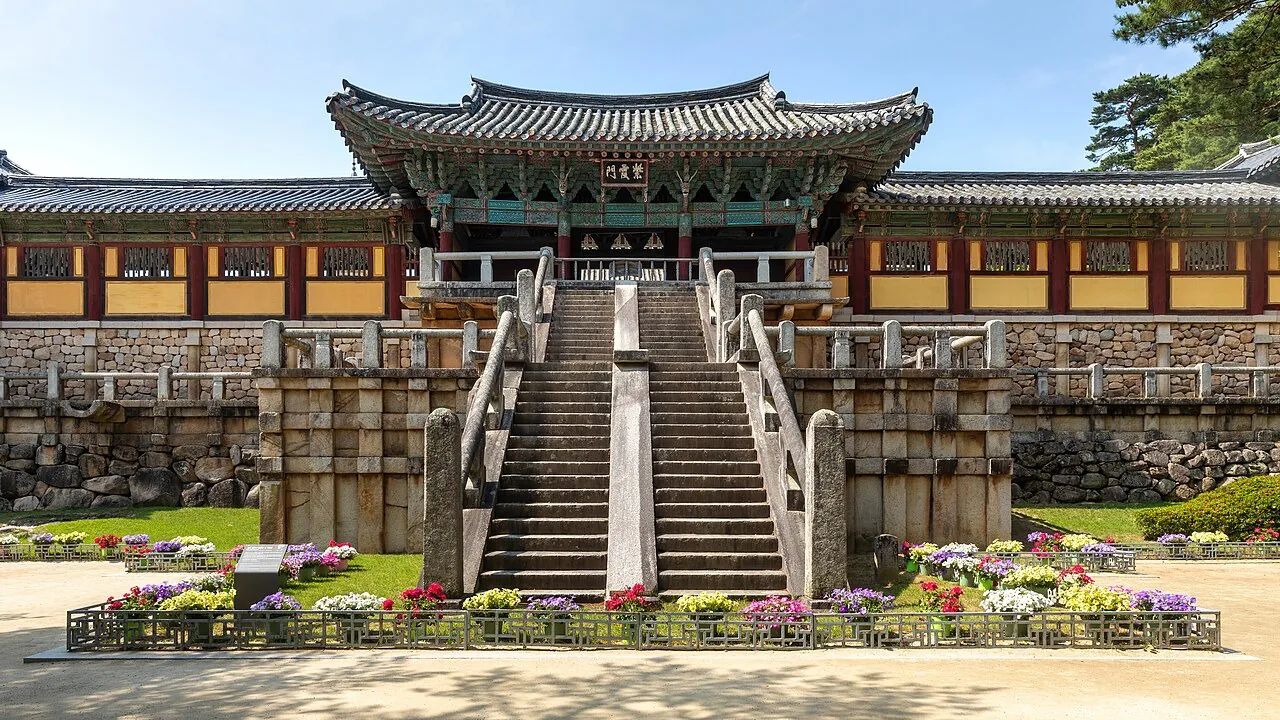
Heritage-focused extension: Bulguksa in Gyeongju
Bulguksa works best when Gyeongju is already part of your route. The official temple profile identifies English contact details and explains that program accommodation is separate from the heritage temple area, with program transport used between them. Read the Bulguksa profile and current listings, then use the CocoTrip Gyeongju guide to plan the rest of the city. Do not schedule a tight rail connection immediately before check-in.
Read these seven details before paying
- Program language: An English website does not mean every activity is delivered in English. Look for explicit language notes and contact the temple if the listing is unclear.
- Exact dates and arrival deadline: Temple programs are date-specific. Build your plan around the required check-in, not a generic opening hour.
- Participation level: Check whether dawn chanting, prostrations, meditation, communal work or other activities are required or optional.
- Sleeping arrangement: Shared rooms, private-room options, bathrooms and bedding differ by program. Never assume hotel-style privacy.
- Mobility: Mountain paths, stairs, floor sitting and early movement can matter. Ask the temple directly about accommodations before booking.
- Cancellation policy: Refund deadlines belong to the individual program and can be strict. Save the listing and confirmation.
- Transport home: Confirm the last practical bus or train from the temple area, especially on weekends and holidays.
What to pack
The official Templestay FAQ advises travelers to bring personal toiletries, towels, socks, underwear, a change of clothes and anything else they need; many temples provide a vest-and-pants uniform, but provisions vary. Bring personal medication, an easy-to-carry water bottle if the listing recommends one, and layers for mountain weather. Shoes that slip on and off easily are useful because footwear is removed at many indoor spaces.
Do not rely on the temple to supply chargers, sleepwear or every bathroom item. Read the program's own packing list because it overrides general advice. If you use a medical device or need refrigeration, ask before reserving.
Temple etiquette without guesswork
- Arrive on time and attend orientation; it explains that temple's spaces and customs.
- Wear the provided uniform as directed and keep shoulders and knees covered when requested.
- Remove shoes where indicated, keep voices and phone use low, and do not enter restricted areas.
- Follow staff guidance for bows, chanting, photography and seating instead of copying other visitors from a distance.
- Alcohol, smoking and disruptive behavior are prohibited in many programs. Check the listing for the precise rules.
- Ask before photographing monks, residents or other participants.
Food, allergies and dietary restrictions
Temple meals are part of the cultural setting, but they are not a dietary certification. Do not assume that every dish, broth, seasoning or shared kitchen is vegan, halal or free of a particular allergen. Contact the temple with the exact ingredient or cross-contact risk before paying. If the temple cannot confirm that it can meet a medically necessary restriction, choose another program or a one-day visit that does not depend on a meal. Bring backup food only when the temple explicitly allows outside food.
A low-stress way to place it in your itinerary
Keep the arrival day light. Store or reduce large luggage, eat before the transfer if the program permits, and reach the temple well before check-in. Leave the following morning flexible because cleaning, closing activities and rural transport can take longer than a hotel checkout. A Seoul one-day program can fit between city sights; a Gyeongju or mountain overnight deserves its own travel block.
The official Templestay FAQ is the best place to recheck packing, reservation changes and general facilities. For the surrounding route, use CocoTrip's Korea itinerary planner after you have confirmed the temple's fixed dates.
Frequently asked questions
Do I have to be Buddhist?
No. Official programs welcome visitors from different backgrounds, but this is an active religious community rather than themed accommodation. Respectful participation is expected.
Will the room be private?
Not necessarily. Check the exact listing and ask before booking if privacy is essential.
Is English guaranteed?
No. Choose a listing that explicitly states English support and reconfirm it with the temple for your date.
How early should I book?
There is no universal lead time. Some programs open on a rolling schedule, and popular dates can fill. Use the live calendar and the reservation window stated by that temple.