
Jeju Island
2026 Jeju Island Without a Car: What's Actually Doable
This article was last updated on 2026-07-26. Fares, opening hours and prices change — confirm with the official operator before you travel.
Planning a Jeju trip without a rental car? Discover realistic options using buses, taxis, and day tours to see the island's highlights.

Photo: 정희준 (Korea Tourism Org.) — 제주특별자치도 서귀포시 성산읍, 광치기해변
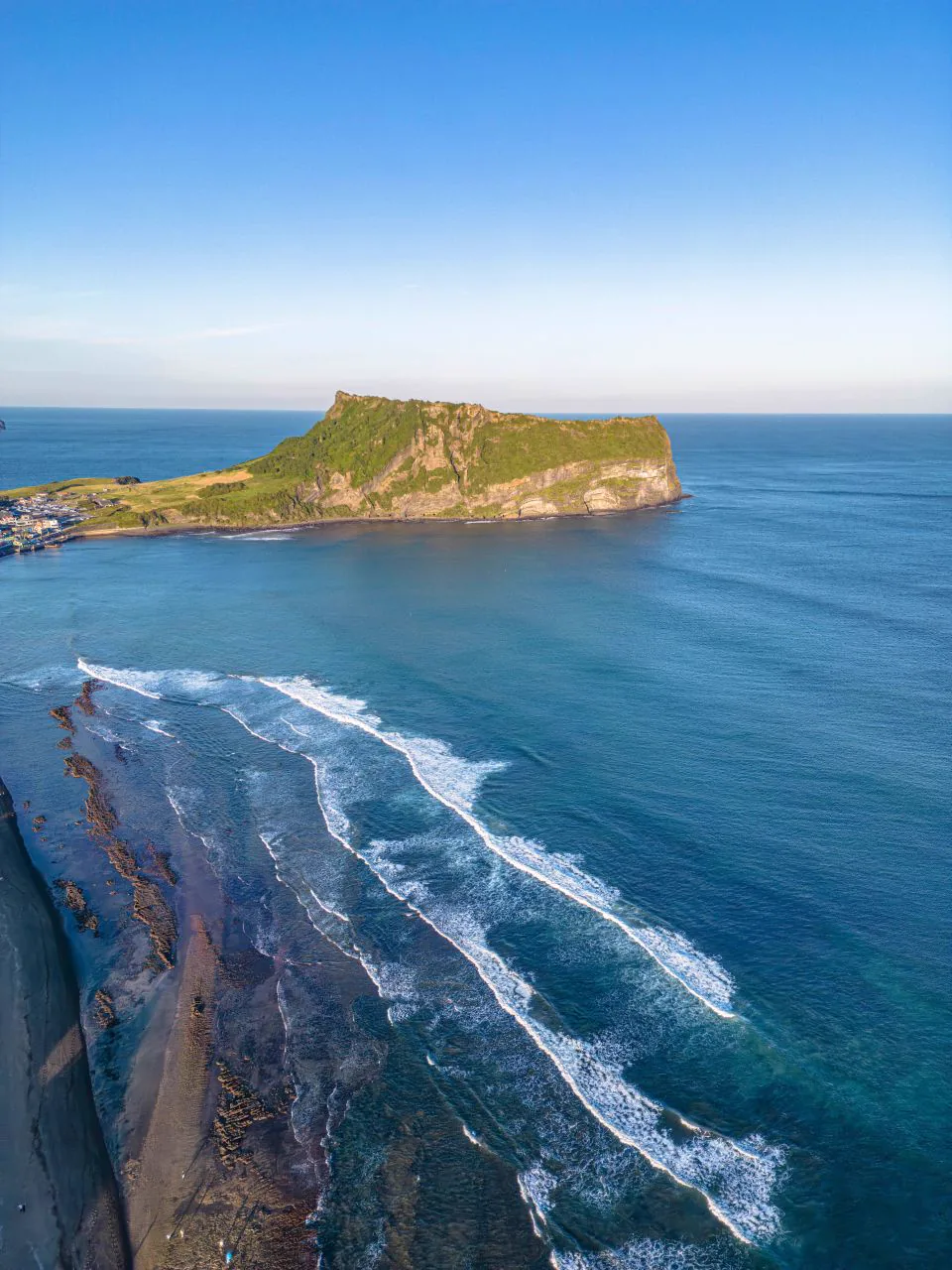
Photo: 황성훈 (Korea Tourism Org.) — 제주특별자치도 서귀포시 성산읍
Jeju Without a Car: Can You Actually Do It?
Okay, so you wanna hit up Jeju but you're not renting a car. Totally get it. Driving on the other side, parking nightmares... no thanks. But is it actually possible to see the island without your own wheels? Ngl, it's gonna take some planning and you won't see *everything*, but yeah, it's doable. You just need to know where to focus and how to use the public transit and tours.
Forget hitting every single remote waterfall or obscure hiking trail. This guide is about hitting the highlights and getting a real feel for Jeju using buses, taxis, and organized day tours. It's about making smart choices so you don't spend your whole trip stressed about missing the last bus.
Getting Around: Buses & Taxis
Jeju's public bus system is actually pretty decent, especially connecting the main cities and popular tourist spots. Your main hub will be Jeju City (home of the airport) and Seogwipo. The buses run pretty frequently on the main routes, but things get sparse once you venture off the beaten path.
Key Takeaway: Stick to the main intercity bus routes (like the 700 series) that connect Jeju City and Seogwipo, hitting spots like Seongsan Ilchulbong (Sunrise Peak) or the various beaches along the south coast. You can usually check real-time bus info on apps like Kakao Maps or Naver Maps (which are essential in Korea anyway).
Pro Tip: A one-way bus ticket can range from ₩1,200 to ₩4,000 depending on the distance. Using a T-Money or Cashbee card is way easier than fumbling with cash.
Taxis are your friend for shorter distances or when the bus schedule just isn't working. They're more expensive, obviously, but can save you a lot of time and hassle, especially if you're splitting the fare with someone. If you're going to a place *just* off the main road, a taxi might be your best bet after getting close by bus.
The Power of Day Tours
Honestly, for a lot of the 'must-sees' that are a bit trickier to reach by bus, a day tour is your best bet. This is where you can actually tick off things like Hallasan National Park (if you're doing a shorter hike accessible by tour bus), or explore the west coast spots like Hyeopjae Beach or the Camellia Gardens without needing your own car.
What to Look For: Search for tours starting from Jeju City or Seogwipo. Many tours bundle popular attractions, saving you the headache of figuring out multiple bus transfers. Some even offer hotel pickups, which is super convenient.
Be Realistic: Day tours are great, but they run on a schedule. You'll have limited time at each spot. Don't expect to linger for hours. It's about getting a good overview and experiencing the main sights.
Popular Stops Accessible by Tour (or Bus!)
- Seongsan Ilchulbong (Sunrise Peak): Easily reachable by bus (e.g., Bus 701 from Jeju City). Worth the climb for the view. Takes about 2-3 hours total.
- Manjanggul Cave: Another spot on the east side, often combined with Seongsan Ilchulbong on tours. Check bus routes like 700-1.
- Jeju Folk Village: Located on the southeast coast. Accessible by intercity buses.
- Waterfalls (Cheonjiyeon, Jeongbang): These are in Seogwipo and easily reachable by local buses within the city.
- Beaches (Hyeopjae, Hamdeok): Hyeopjae is on the west coast, Hamdeok on the northeast. Both have bus routes, but tours might be more efficient for west coast ones.
Where to Stay (Without a Car)
Your best bet is to base yourself in either Jeju City or Seogwipo.
Jeju City: Pros: Direct access to the airport, tons of restaurants, shops, and the main bus terminal. Cons: Can feel more like a regular city than a vacation spot.
Seogwipo: Pros: Closer to many of the southern attractions like the waterfalls and beaches. Generally has a more relaxed vibe. Cons: Getting to the airport requires a bus or taxi ride (around ₩5,000-₩10,000 by bus, ₩30,000-₩40,000 by taxi).
Consider splitting your stay if you have more than 3-4 days. Start in Jeju City for easy arrival/departure, then move to Seogwipo for a few days to explore the south. If planning this feels like a lot, let CocoTrip build a custom Jeju itinerary that handles transit for you.
The Honest Limits
Okay, let's be real. You're not going to see *everything*. Forget about:
- Hiking the entirety of Hallasan's summit trail without a tour bus drop-off.
- Getting to the really remote coastal roads or tiny villages easily.
- Spontaneous detours to random cafes you see from the road.
It requires more pre-planning, sticking to a schedule, and accepting that some parts of Jeju are just harder to access without a car. But for a solid introduction to the island's beauty and culture? Totally achievable.
FAQ
Q. How much does a taxi typically cost in Jeju without a car?
A. Short trips within a city might be ₩5,000-₩10,000. Longer distances between cities or to attractions further out could be ₩20,000-₩40,000+. Always check the meter!
Q. Are there any apps I should download for Jeju transit?
A. Yes! Kakao Maps or Naver Maps are essential for bus routes, schedules, and real-time tracking. Kakao Taxi is useful for booking taxis.
Q. Is it possible to do a one-day trip to Jeju from the mainland?
A. Yes, people do it, but it's rushed. You'd need to fly in early and out late, and likely stick to a pre-booked day tour from Jeju airport to maximize your time. It's better to give Jeju at least 2-3 days if you can.
Q. How much KRW should I budget for transport per day if I'm not renting a car?
A. If you're relying mostly on buses and maybe one short taxi ride per day, budget around ₩10,000-₩20,000. If you plan on taking longer taxi rides or joining a day tour (which can be ₩50,000-₩100,000+), factor those costs in separately. Organized tours can be found here and often include transport.